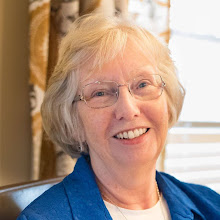
The roots of the branches of my family go deep in West Virginia. Old Isaac Ballengee came to the banks of the Greenbrier and New Rivers in what is now West Virginia around 1782. The Amicks left Pennsylvania and spent some time in Pendleton County before settling in Nicholas County around 1820 or so. The Dorseys, Burdettes, Finks, and Boleys were all established in the Appalachian Mountains long before the western side of Virginia became a state in 1863.
Having been born and raised in West Virginia, I was astounded to find out all the things I did not know about Appalachian culture when I first attended Berea College, the supposed exemplar of everything Appalachian. The faculty, while learned and scholarly, arrived in Berea from other places to teach Appalachian culture to the students who actually lived in Appalachia. One of the more popularly known aspects of Appalachian culture taught at Berea was "country dancing". A student group known, not surprisingly, as the Country Dancers, is quite well known and travels extensively to perform traditional dance sets. I was intrigued by the Country Dancers and loved to watch their skillful performances, but part of the astonishment at the intricacies of their dances is that I, who had roots in Appalachia for generations, had never seen anything like that.
I'm willing to consider explanations, such as the fact that country dancing stemmed from British traditions, and my families were mostly German, as were many that settled in Appalachia. If you look up "contra dancing", another term used in connection with these traditional "Appalachian" dances, you will find that much of this dance tradition developed in New England, another explanation for why the average resident of Appalachia has no idea what country dancing is. An unlikely rationale is that I didn't know squat about Appalachian culture, and the people who came to Berea from New England and other places understood more correctly the way we lived in the mountains.
Those who have lived in Appalachia for a long time know that it's pronounced "Apple-atcha" as in, "I'm going to throw an apple atcha." Suspicions, as well as hackles, are raised when well-meaning folks say, "Appa-lay-cha". I know they think they are literate, bless their hearts, but the Appalachian region is not like Boston, Mr. Robert Kennedy, Jr., and I think we know how to say the name of the place where we live. People who like to protest the way we live should first educate themselves about how we use the language.
No matter which state they live in, the people in the Appalachian Mountains are bound together by history, religion, art, and food. Residents of the Appalachian Region share so much that it isn't beyond reason to think that Appalachian people, gathered together from the various states, could make a 51st state. People who come here from places like New England to protest on the steps of the capitol building in Charleston should first understand that fact. Richmond, the capital of Virginia, you see, is not in Appalachia.
Thursday, January 27, 2011


Wednesday, January 19, 2011
Flaming Buns
In cruising around the internet recently, I found a link to an article on how to write a blog. I thought I needed to read it. The article recommended finding a "niche" that was appealing to a specific audience. One of the topics that many people apparently want to read about is cooking, and cooking was the only topic listed about which I know anything at all.
Sometime ago a friend of mine and I were discussing cheesecakes. I told her about this great cheesecake recipe I'd made, and she said she didn't even own a spring form cake pan. When I told her that I owned three different spring form cake pans, she said, "Oh! You're a serious cook!"
I'm not certain that owning a cake pan makes me a serious cook. Many years ago I asked my mother-in-law the secret of making good biscuits. She told me, "You have to have a biscuit pan that's at least 25 years old." I knew at that point that light, tender, fluffy biscuits were not in my near future. My biscuit pan now meets the age requirement, and I have to say that my biscuits have improved with each year. She knew what she was talking about.
From watching cooking shows I'm of the opinion that some people will eat just about anything. I once watched Anthony Bourdain on the Travel Channel eat a cooked iguana in Mexico. He said it made him want to stick his head in a bucket of lye. I've had meals like that, too. There are some foods that we will not eat at our house: cumin, cilantro, snails, eel, steak tartare, and I will never cook a live lobster. Nor an iguana.
When I'm faced with an exotic food dish, I often say that I'm not that hungry yet. Like Scarlett O'Hara, I may find myself destitute and noshing on raw turnips in the garden, but so far I've been blessed with enough food to be able to choose what I actually like to eat. I don't have any points to prove about my creativity when I'm cooking.
By some people's standards, since I'm not willing to eat just any old thing that can be caught, skinned, and put in a pot, I'm not a serious cook. I do have standards, though, and they include fried pork chops, mashed potatoes and gravy, sweet potato casserole, turkey and dressing, and fried squash.
People who consider themselves serious cooks might question my standards. At my house everyone knows supper is ready when the smoke alarm goes off. I had only one witness, my daughter, when I was toasting some hamburger buns under the broiler in the oven. We watched in anticipation, mouths watering for the juicy hamburgers, but when I pulled the buns from the oven, they were afire. Yes, flames actually shot up from the buns, and I whipped the dish towel over them to snuff out the flames.
Part of my retirement duty is to cook supper every evening. So far things have turned out pretty well with no major disasters (if you don't count the ham on Christmas Eve which got just a wee bit well done). Each afternoon when I start into the kitchen to fix supper, I feel a little like Grandpa Jones on Hee Haw when he was asked, "What's for supper?" He'd smile and list great fare like country ham, fried potatoes, collard greens, cornbread, and blackberry cobbler for dessert. I'm not a serious cook; I just like to eat.
Sometime ago a friend of mine and I were discussing cheesecakes. I told her about this great cheesecake recipe I'd made, and she said she didn't even own a spring form cake pan. When I told her that I owned three different spring form cake pans, she said, "Oh! You're a serious cook!"
I'm not certain that owning a cake pan makes me a serious cook. Many years ago I asked my mother-in-law the secret of making good biscuits. She told me, "You have to have a biscuit pan that's at least 25 years old." I knew at that point that light, tender, fluffy biscuits were not in my near future. My biscuit pan now meets the age requirement, and I have to say that my biscuits have improved with each year. She knew what she was talking about.
From watching cooking shows I'm of the opinion that some people will eat just about anything. I once watched Anthony Bourdain on the Travel Channel eat a cooked iguana in Mexico. He said it made him want to stick his head in a bucket of lye. I've had meals like that, too. There are some foods that we will not eat at our house: cumin, cilantro, snails, eel, steak tartare, and I will never cook a live lobster. Nor an iguana.
When I'm faced with an exotic food dish, I often say that I'm not that hungry yet. Like Scarlett O'Hara, I may find myself destitute and noshing on raw turnips in the garden, but so far I've been blessed with enough food to be able to choose what I actually like to eat. I don't have any points to prove about my creativity when I'm cooking.
By some people's standards, since I'm not willing to eat just any old thing that can be caught, skinned, and put in a pot, I'm not a serious cook. I do have standards, though, and they include fried pork chops, mashed potatoes and gravy, sweet potato casserole, turkey and dressing, and fried squash.
People who consider themselves serious cooks might question my standards. At my house everyone knows supper is ready when the smoke alarm goes off. I had only one witness, my daughter, when I was toasting some hamburger buns under the broiler in the oven. We watched in anticipation, mouths watering for the juicy hamburgers, but when I pulled the buns from the oven, they were afire. Yes, flames actually shot up from the buns, and I whipped the dish towel over them to snuff out the flames.
Part of my retirement duty is to cook supper every evening. So far things have turned out pretty well with no major disasters (if you don't count the ham on Christmas Eve which got just a wee bit well done). Each afternoon when I start into the kitchen to fix supper, I feel a little like Grandpa Jones on Hee Haw when he was asked, "What's for supper?" He'd smile and list great fare like country ham, fried potatoes, collard greens, cornbread, and blackberry cobbler for dessert. I'm not a serious cook; I just like to eat.
Tuesday, January 11, 2011
Grace at the Bird Feeder
I am not a doctor in real life, nor do I play one on TV. That statement will make sense only to people who are older than, say, 40. My diagnosis is that I've had the flu; a real doctor might say the diagnosis doesn't bear up under testing, but it sure feels like the flu.
Between the snow and being sick, I've mostly stayed in the house, tracking the number of times the blue light special flares up on the thermostat in the sub-zero temperatures. That would be a sub-zero temperature for the high temperature of the day. On Sunday we barely made it to 20 degrees. One of the few things that will make me go outside is to fill the bird feeders, one in the front yard by the family room window and one in the back yard. Things are so desperate for the birds that I put out old bread and cut-up apples for them to eat.
Keeping those feeders filled gets to be expensive, but we manage to re-stock the supply of seed from the local Wal-Mart. On Larry's last trip to Wal-Mart a woman complained about the tenacity of the blue jays and how they run off the smaller birds. Larry replied, "The blue jays are God's creatures, too, and they get just as hungry as the other birds do." We don't stress because of the diversity at the feeder; there are even some crows who've showed up recently. They don't stay long, but they do come to check out what's going on. Our feeders are available to all who are hungry: cardinals, chickadees, the yellow finches who are mostly brown in the winter, the red-headed finches, sparrows, woodpeckers, blue jays, crows.
The birds come to eat their fill without any thought of how much the food costs or how it got into the feeder. They see that the food is there; they recognize it; and they come. The branches are filled with birds, but none of them seem worried.
Neither is there anything that the birds have done that prompted us to start feeding them. We feel a sense of compassion for them and companionship with them; that's the only motivation for us to drag 40 pound-bags of seed into the garage and empty them cup by cup into the feeders. We recognize the ones who return day-by-day, and we feel some relationship with them in their struggle to find food in the winter, especially the ones who come to sit on the branches close to the window where they can look in at us. Over the Christmas season one of the birds stayed each night in the wreath we had hung on the window. Each evening we saw him fluttering around the wreath. When we took it down, he looked for that comfy wreath each evening; it broke my heart that he had lost his home.
The feeders are not without risks, though. They are also a prime feeding point for hawks, who have occasionally taken a smaller bird. We try to watch for the hawks, and if we see one circling we dash outside and wave our arms to scare them off. We feel "protective" about our birds.
So much of my time has been spent watching the birds at the feeder, I've come to see how it's modeled after the grace of God, who spends all of his time watching us and developing a relationship with us, if we will come close to him. His grace is available to any and all who would accept it. He doesn't favor the small, pretty ones anymore than the noisy, aggressive ones. He loves all regardless of the markings of their feathers.
There is no cost to us to receive the saving grace of God. The price is one that we cannot pay; the only one who could pay that price was Jesus, and he paid it with his own life. Because of that sacrifice, the benevolence of God is free to us. When we are threatened, God offers protection. Jesus has already defeated death for us. For me. For you.
There isn't anything we've done to prompt the gifts that God provides for us. He gives them freely and abundantly because He wants a continuing relationship with us; he provides for us if we will only show up to meet him and receive the gifts he delivers.
So when warm weather returns, and the birds are in the trees outside my window trilling a fetching tune, I'll join in that song.
Between the snow and being sick, I've mostly stayed in the house, tracking the number of times the blue light special flares up on the thermostat in the sub-zero temperatures. That would be a sub-zero temperature for the high temperature of the day. On Sunday we barely made it to 20 degrees. One of the few things that will make me go outside is to fill the bird feeders, one in the front yard by the family room window and one in the back yard. Things are so desperate for the birds that I put out old bread and cut-up apples for them to eat.
Keeping those feeders filled gets to be expensive, but we manage to re-stock the supply of seed from the local Wal-Mart. On Larry's last trip to Wal-Mart a woman complained about the tenacity of the blue jays and how they run off the smaller birds. Larry replied, "The blue jays are God's creatures, too, and they get just as hungry as the other birds do." We don't stress because of the diversity at the feeder; there are even some crows who've showed up recently. They don't stay long, but they do come to check out what's going on. Our feeders are available to all who are hungry: cardinals, chickadees, the yellow finches who are mostly brown in the winter, the red-headed finches, sparrows, woodpeckers, blue jays, crows.
The birds come to eat their fill without any thought of how much the food costs or how it got into the feeder. They see that the food is there; they recognize it; and they come. The branches are filled with birds, but none of them seem worried.
Neither is there anything that the birds have done that prompted us to start feeding them. We feel a sense of compassion for them and companionship with them; that's the only motivation for us to drag 40 pound-bags of seed into the garage and empty them cup by cup into the feeders. We recognize the ones who return day-by-day, and we feel some relationship with them in their struggle to find food in the winter, especially the ones who come to sit on the branches close to the window where they can look in at us. Over the Christmas season one of the birds stayed each night in the wreath we had hung on the window. Each evening we saw him fluttering around the wreath. When we took it down, he looked for that comfy wreath each evening; it broke my heart that he had lost his home.
The feeders are not without risks, though. They are also a prime feeding point for hawks, who have occasionally taken a smaller bird. We try to watch for the hawks, and if we see one circling we dash outside and wave our arms to scare them off. We feel "protective" about our birds.
So much of my time has been spent watching the birds at the feeder, I've come to see how it's modeled after the grace of God, who spends all of his time watching us and developing a relationship with us, if we will come close to him. His grace is available to any and all who would accept it. He doesn't favor the small, pretty ones anymore than the noisy, aggressive ones. He loves all regardless of the markings of their feathers.
There is no cost to us to receive the saving grace of God. The price is one that we cannot pay; the only one who could pay that price was Jesus, and he paid it with his own life. Because of that sacrifice, the benevolence of God is free to us. When we are threatened, God offers protection. Jesus has already defeated death for us. For me. For you.
There isn't anything we've done to prompt the gifts that God provides for us. He gives them freely and abundantly because He wants a continuing relationship with us; he provides for us if we will only show up to meet him and receive the gifts he delivers.
So when warm weather returns, and the birds are in the trees outside my window trilling a fetching tune, I'll join in that song.
Friday, January 7, 2011
Down in Old Germantown
Snow again. Well, what can we expect in January? I'm watching it snow and wishing that those boots I ordered from L. L. Bean would come in because I really need them. Stuck in the house with no boots: this is a good time for telling stories.
Anyone who knows my true heart knows that I'm addicted to genealogy which involves so many things that I love: research, constructing charts and tables from information I find, history, old photos, dusty books in libraries, shadowy court houses, and stories to tell. But every story seems to have a gap that needs to be filled up with some obtuse piece of information from a document that was recently discovered in a moldering box in the basement of a court house in a remote county three states away. Genealogists are optimists; the record is there, somewhere. I just haven't looked in the right place yet.
Fifteen years ago I knew the names of my dad's parents, his birth date, where they had lived, and that my grandmother had died when my father was a baby. After sifting through a considerable amount of history, I documented some good stories about my Huguenot ancestor who came to America before it was a country. Believe it or not, Red Ballengee, who grew up on Sourwood Mountain near Hix, West Virginia, was connected to the Germantown settlement in colonial Philadelphia.
Germantown was established in 1683 at the direction of William Penn, who had creative ideas about how the town should be laid out. Instead of having a "commercial" district with merchants and businesses in the center of the town and farms surrounding the settlement, each resident had a plot of land in town that could be farmed. Penn promoted religious tolerance which was a fresh idea at the time, even in territory that was populated by settlers who wanted to start anew because of religious persecution.
Germantown took its name from Protestant German craftsmen who were recruited to live in Pennsylvania, and into Germantown in 1697 came Red Ballengee's ancestor, Evi Bellange, a Frenchman and a weaver by occupation. "Evi" was an Anglicized version of the French name, Yves, and was often written in early records as "Eve". I'm not precisely certain of Evi's origins, but he was a French Protestant, a Huguenot, who joined with the Quakers either during a sojourn in England or when he came to Virginia. The first record of his residence in America was in Henrico County, Virginia, where he and his wife, Mary, purchased land, and he took on an apprentice in the weaving trade.
In early Virginia Quakers were persecuted because of their faith, and in some cases in the colonies, Quakers were hanged because they would not profess the Anglican faith. But Evi was indeed a Quaker; his name is found in lists of witnesses to marriage ceremonies in Virginia.
Mary Bellange must have died in Virginia, because her name is not found in later records. No records have been found to indicate that Evi and Mary had children, but Evi continued to live in swampy, muggy, bug-infested Henrico County. Have you ever been to Richmond in the summer time?
The Quakers of Phildelphia visited those in Maryland, Virginia, and the Carolinas, portraying the idyllic life in Pennsylvania where tolerance of differing religious views was not only accepted, but encouraged. I imagine that, to Evi, living in a temperate climate where farmland was fertile, life was peaceful, and business opportunities abounded sounded good. If he and Mary had children, perhaps they had grown up by that time (he'd lived in Virginia 17 years). He was at least 37 years old or so about then, maybe a little older.
Whatever the reasons, Evi was thinking of moving on, so near the end of the 17th century, he took up the offer from the Philadelphia Quakers and found himself on the road to Pennsylvania. I imagine that he lived with other Quakers until he was established in Germantown, but I don't know the details of how he got started with his business and his new life; I expect that he did well selling the fabrics of muted colors to his fellow Quakers. I do know that before long a young Quaker woman caught his eye and his heart.
Men and women do not even enter a Quaker meetinghouse in the same door; they have separate entrances, so I think that Evi's courtship of Christian De LaPlaine, of the New York De LaPlaines, was quite staid. Evi had to present a certificate from the Quakers in Virginia, and he was questioned as to the completeness of his religious thinking. Only after that were he and Christian allowed to pursue an engagement. They presented their intentions to marry three times at the Quaker meeting, and in September 1697 they were married, not by a priest or a preacher, but by standing together at the meeting and declaring their marriage vows before God.
Before the marriage in May 1697 Evi bought 50 acres from John Luken, one of the original settlers in Germantown, possibly thinking that he needed a place where he could settle down. The property consisted of 20 acres in the inhabited part of Germantown and over 29 acres in the side land. In modern Germantown this lot is near the corner of East Penn Street and Germantown Avenue and is the location of a newspaper, The Germantown Chronicle. The Clarkson-Watson house stands there now, but that has nothing to do with Evi Bellange.
The original buildings in Germantown were log houses, but those came to be replaced by houses built of native stone. It had been 14 years since the beginning of Germantown, so I'm sure there were improvements of some kind on the property when Evi bought it.
So this is how Evi and Christian began their life together in old Germantown, a great distance from the mountains of West Virginia where the threads of their story were picked up a hundred years later.
Thursday, December 30, 2010
On Being Irresolute
Let me be absolutely clear. I do not make New Year's resolutions. Although this time of year causes me to reflect on the roads traveled in the past year and to think about what may be on deck for the next 12 months, I've never thought about, constructed, or written down all the ways I'm going to change my bad habits. Just making the list of my bad habits would be too taxing, and then I'd have the problem of figuring out how to turn those habits around.
In recent years as soon as Katie and Dillon have returned to their home, and Larry has gone back to work, I climb the step-stool of death, teeter over the shaky tree laden with delicate glass ornaments, and carefully remove the decorations from our Christmas tree.
Putting up the tree is a great social event. We all gather around; Katie puts on the Christmas music; stories are shared about each ornament. The dogs bark, and the cat observes. We usually scrape up some kind of cookie and a cup of hot coffee. When Larry wondered why we didn't have as many ornaments as the year before, I confessed that last year I'd broken at least two when I took the tree down. No matter how many times I test it, gravity works every time.
But taking down the tree is a lonely job. No one wants to be reminded that Christmas, once again, is gone. I'm alone with the tree, and the beginning of the new year is only days away. This is the new start we've all wanted. People decide this is the time to do things like those they've put off, such as losing weight (probably the most common resolution), the things they've always wanted to do, but didn't have the courage to do, and the things they feel obligated to do.
There's a reason we put things off. They're uncomfortable, disgusting, or maybe even painful. I suppose it's better if we only attempt these changes once a year and keep at it as long as we can. If you can make it to Valentine's Day, the resolution might become a life-style instead of a rule, but many folks don't make it more than a couple of weeks.
"Bucket list" has become almost trite as people think about those childhood dreams that flutter away as life's responsibilities take over. But there is no time like today to realize a dream. Does it require money? Start saving today. Does someone else object? Address that situation and work out the details. When I start whining, my husband reminds me that if you really want to do something, you'll do it. Why wait for an arbitrary date on the calendar?
Obligations come in many forms, but if you're making a resolution because it's expected of you, take a deeper look at your motivation. Let someone else make that change if it's important to them; I want to reserve my time for what's important to me. It's hard enough to lose weight, but if you're doing it to appease your mother, every bite of tofu or broiled fish will taste even worse.
When I retired, I thought about how I wanted my life to be. I don't need a string of rules or a bucket list. I came up with only two rules. First, I'll only eat when I'm hungry. Two, I'll only watch television when there's a show on that I want to see. This way I'll avoid sitting in front of the tv all day, and I'll keep the grocery bill low. Because I didn't wait until January 1 to implement these changes, I'll have plenty of time to get those Christmas ornaments packed away.
In recent years as soon as Katie and Dillon have returned to their home, and Larry has gone back to work, I climb the step-stool of death, teeter over the shaky tree laden with delicate glass ornaments, and carefully remove the decorations from our Christmas tree.
Putting up the tree is a great social event. We all gather around; Katie puts on the Christmas music; stories are shared about each ornament. The dogs bark, and the cat observes. We usually scrape up some kind of cookie and a cup of hot coffee. When Larry wondered why we didn't have as many ornaments as the year before, I confessed that last year I'd broken at least two when I took the tree down. No matter how many times I test it, gravity works every time.
But taking down the tree is a lonely job. No one wants to be reminded that Christmas, once again, is gone. I'm alone with the tree, and the beginning of the new year is only days away. This is the new start we've all wanted. People decide this is the time to do things like those they've put off, such as losing weight (probably the most common resolution), the things they've always wanted to do, but didn't have the courage to do, and the things they feel obligated to do.
There's a reason we put things off. They're uncomfortable, disgusting, or maybe even painful. I suppose it's better if we only attempt these changes once a year and keep at it as long as we can. If you can make it to Valentine's Day, the resolution might become a life-style instead of a rule, but many folks don't make it more than a couple of weeks.
"Bucket list" has become almost trite as people think about those childhood dreams that flutter away as life's responsibilities take over. But there is no time like today to realize a dream. Does it require money? Start saving today. Does someone else object? Address that situation and work out the details. When I start whining, my husband reminds me that if you really want to do something, you'll do it. Why wait for an arbitrary date on the calendar?
Obligations come in many forms, but if you're making a resolution because it's expected of you, take a deeper look at your motivation. Let someone else make that change if it's important to them; I want to reserve my time for what's important to me. It's hard enough to lose weight, but if you're doing it to appease your mother, every bite of tofu or broiled fish will taste even worse.
When I retired, I thought about how I wanted my life to be. I don't need a string of rules or a bucket list. I came up with only two rules. First, I'll only eat when I'm hungry. Two, I'll only watch television when there's a show on that I want to see. This way I'll avoid sitting in front of the tv all day, and I'll keep the grocery bill low. Because I didn't wait until January 1 to implement these changes, I'll have plenty of time to get those Christmas ornaments packed away.
Tuesday, December 21, 2010
A Christmas Story
Horatio Alger more or less invented the American dream. Near the end of the 19th Century, he wrote a series of novels that involved impoverished boys who, through some act of selflessness or bravery, came to the attention of a wealthy man who mentored the boy into a successful middle-class life. Mr. Alger was a productive writer, and his novels were well-known up through the mid-twentieth century when references to his works were common on television shows and in other books. The conclusion of a Horatio Alger story was understood to be a happy ending.
Mr. Alger himself was from a middle-class New England family. He studied at Harvard and found that he disliked teaching. Unfortunately his background included being accused of distasteful and illegal activities with children, but he managed to retrieve a writing career from the rubble of his work as a Unitarian minister.
I love to hear a story about someone who lived in difficult circumstances but was able to overcome poverty, crime, sin, or other evil obstacle to succeed. The Horatio Alger boys always succeeded in the end, no matter how much they suffered at the hands of unscrupulous cads who laid in wait for an unsuspecting lad.
I know a story about a boy who was born into a family who lived in poverty. The father was a blue-collar worker, and the mom got pregnant by someone other than her fiancee before the couple married. It was a rough start for the family. As a matter of fact the boy was born to the unmarried couple while they were homeless because they were fulfilling a government regulation. I don't know what they did for diapers; it's hard to care for a newborn when you're homeless.
Somehow the couple managed to get by, and they eventually married and lived in a small town where the dad could work. They didn't have much money, and resources were stretched to feed the growing family. There wasn't much formal education; the boys learned to read from the religious leaders. Though the family was poor, they obeyed God's laws and placed their hope in God, not in money or fancy clothes.
Just like the boys in the Horatio Alger stories, this boy grew up to have a successful career. He defeated death and Satan to become a King. He rules over all of God's creation, and all things that we know today are held together through Him.
What a success story! From a humble birth which we celebrate yet today at Christmas, the boy Jesus grew into a man who loved God's children on earth so much that he followed God's directions all the way to the cross where he died for our sins. Through his obedience, he became King, Redeemer, Messiah, Savior, Light of the World, Immanuel. First he was a boy in rags, though, the child we love at Christmas.
Mr. Alger himself was from a middle-class New England family. He studied at Harvard and found that he disliked teaching. Unfortunately his background included being accused of distasteful and illegal activities with children, but he managed to retrieve a writing career from the rubble of his work as a Unitarian minister.
I love to hear a story about someone who lived in difficult circumstances but was able to overcome poverty, crime, sin, or other evil obstacle to succeed. The Horatio Alger boys always succeeded in the end, no matter how much they suffered at the hands of unscrupulous cads who laid in wait for an unsuspecting lad.
I know a story about a boy who was born into a family who lived in poverty. The father was a blue-collar worker, and the mom got pregnant by someone other than her fiancee before the couple married. It was a rough start for the family. As a matter of fact the boy was born to the unmarried couple while they were homeless because they were fulfilling a government regulation. I don't know what they did for diapers; it's hard to care for a newborn when you're homeless.
Somehow the couple managed to get by, and they eventually married and lived in a small town where the dad could work. They didn't have much money, and resources were stretched to feed the growing family. There wasn't much formal education; the boys learned to read from the religious leaders. Though the family was poor, they obeyed God's laws and placed their hope in God, not in money or fancy clothes.
Just like the boys in the Horatio Alger stories, this boy grew up to have a successful career. He defeated death and Satan to become a King. He rules over all of God's creation, and all things that we know today are held together through Him.
What a success story! From a humble birth which we celebrate yet today at Christmas, the boy Jesus grew into a man who loved God's children on earth so much that he followed God's directions all the way to the cross where he died for our sins. Through his obedience, he became King, Redeemer, Messiah, Savior, Light of the World, Immanuel. First he was a boy in rags, though, the child we love at Christmas.
Saturday, December 18, 2010
Retirement in the Ice Age
Anticipation. That first day of retirement will be great! The feeling of relief at the reduction of responsibilities will be wonderful after getting up at 6:00 a.m. for decades. My sense of autonomy will be restored as I gain a sense of where I want to go and decide what I enjoy doing the most.
I did something nice for someone on my first day of retirement. I prepared a hash brown potato casserole for my husband's Christmas party at work. I was also going to get a hair cut, but my stylist called the night before to cancel the appointment because winter weather was expected. "That worked out well," I thought. "I'll be able to get the casserole baked and up to Marion much quicker." Everything was looking great.
I kept an eye on the weather as I worked in the kitchen. There was a cold rain coming down, and ice started to stick to the tree branches, although the roads didn't seem to have much snow or ice. By the time I was ready to go to Marion, the temperature would be higher and the precipitation would be rain. Many times the lights flickered. I held my breath, but the electricity stayed on. The casserole was bubbling away when I pulled it out of the oven and wrapped it in foil and towels for the trip to Marion.
That was the high point of my first day of retirement. The rest of the day went down hill.
As soon as I took the casserole from the oven, the electricity went off. The roads had some messy looking slush, but other cars had driven down the street so I loaded up the scalding hot dish and carried it out to the car. I had to gently crack the ice away from the car door handle, and I got the engine going as I scraped ice from the windshield.
The layer of ice over the slush on the streets had been mashed into troughs by car tires. The branches of the trees in our yard were bending low with their burden of ice. The main roads were only wet, but I wasn't prepared for the utility lines lying in the road or the trees fallen across the road. On the interstate I could feel the car shimmy a little as the tires lost contact with the pavement. Trailer trucks were not so concerned as they blew past me at full speed.
When I pulled up in front of my husband's office building, I told him, "This is the dumbest thing I have ever done," as he retrieved the food from the car. While I stopped at the gas station to fill up the car, I planned a route home that didn't go past stretches of road lined with tall trees. I made it home to the dark, cold house with no internet service or telephone.
Amazing how most of my plans for retirement involved electricity. Or at the least they required light so that I could see what I was doing, and it's incredibly dark on a rainy, cloudy, snowy winter day.
If any of you plan to depend on those wind-up battery powered emergency radios, I can tell you that there will not be any helpful information coming out of that contraption. I was able to pick up country music, NPR, and limitless stations playing non-stop Christmas music, which included a jazz piano version of Walking in a Winter Wonderland. There were precious few news broadcasts, and those failed to even mention the ice storm that had swallowed Smyth County. There were no updates on power outages or when power would be restored, just Elvis or Bing or Tanya Tucker. It always surprises me when television stations run those emergency broadcast tests, like they think that after a nuclear attack we're all going to tune in to cable television. If we don't have electricity or cable after an ice storm, I'm not hopeful that broadcast services will be helpful after terrorists take out the power grid.
The first day of retirement is a once-in-a-lifetime event. It wasn't what I expected, but it has come and gone, and it's a day I'll always remember. Along about supper time on Friday, my husband said I'd been retired for 48 hours, and I'd been without electricity for 32 of them. But eventually the power came back on, and the house breathed life again.
I can't change what happened on this first day. It's a memory, a vivid memory now, but it will fade, and I'll only remember important parts of it later on. It'll be something to talk about over coffee.
I did something nice for someone on my first day of retirement. I prepared a hash brown potato casserole for my husband's Christmas party at work. I was also going to get a hair cut, but my stylist called the night before to cancel the appointment because winter weather was expected. "That worked out well," I thought. "I'll be able to get the casserole baked and up to Marion much quicker." Everything was looking great.
I kept an eye on the weather as I worked in the kitchen. There was a cold rain coming down, and ice started to stick to the tree branches, although the roads didn't seem to have much snow or ice. By the time I was ready to go to Marion, the temperature would be higher and the precipitation would be rain. Many times the lights flickered. I held my breath, but the electricity stayed on. The casserole was bubbling away when I pulled it out of the oven and wrapped it in foil and towels for the trip to Marion.
That was the high point of my first day of retirement. The rest of the day went down hill.
As soon as I took the casserole from the oven, the electricity went off. The roads had some messy looking slush, but other cars had driven down the street so I loaded up the scalding hot dish and carried it out to the car. I had to gently crack the ice away from the car door handle, and I got the engine going as I scraped ice from the windshield.
The layer of ice over the slush on the streets had been mashed into troughs by car tires. The branches of the trees in our yard were bending low with their burden of ice. The main roads were only wet, but I wasn't prepared for the utility lines lying in the road or the trees fallen across the road. On the interstate I could feel the car shimmy a little as the tires lost contact with the pavement. Trailer trucks were not so concerned as they blew past me at full speed.
When I pulled up in front of my husband's office building, I told him, "This is the dumbest thing I have ever done," as he retrieved the food from the car. While I stopped at the gas station to fill up the car, I planned a route home that didn't go past stretches of road lined with tall trees. I made it home to the dark, cold house with no internet service or telephone.
Amazing how most of my plans for retirement involved electricity. Or at the least they required light so that I could see what I was doing, and it's incredibly dark on a rainy, cloudy, snowy winter day.
If any of you plan to depend on those wind-up battery powered emergency radios, I can tell you that there will not be any helpful information coming out of that contraption. I was able to pick up country music, NPR, and limitless stations playing non-stop Christmas music, which included a jazz piano version of Walking in a Winter Wonderland. There were precious few news broadcasts, and those failed to even mention the ice storm that had swallowed Smyth County. There were no updates on power outages or when power would be restored, just Elvis or Bing or Tanya Tucker. It always surprises me when television stations run those emergency broadcast tests, like they think that after a nuclear attack we're all going to tune in to cable television. If we don't have electricity or cable after an ice storm, I'm not hopeful that broadcast services will be helpful after terrorists take out the power grid.
The first day of retirement is a once-in-a-lifetime event. It wasn't what I expected, but it has come and gone, and it's a day I'll always remember. Along about supper time on Friday, my husband said I'd been retired for 48 hours, and I'd been without electricity for 32 of them. But eventually the power came back on, and the house breathed life again.
I can't change what happened on this first day. It's a memory, a vivid memory now, but it will fade, and I'll only remember important parts of it later on. It'll be something to talk about over coffee.
Subscribe to:
Comments (Atom)